
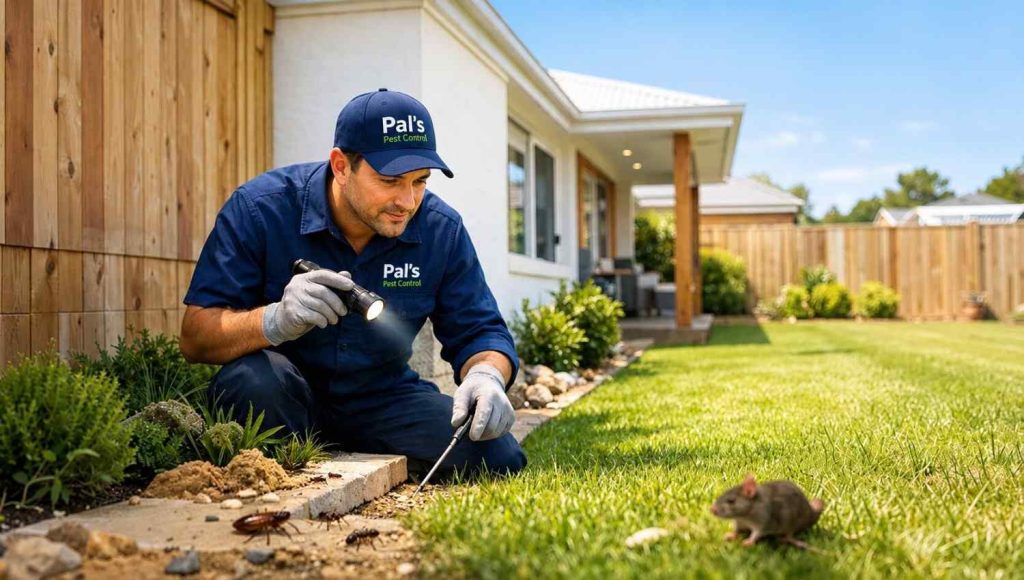
Most pest problems start small. The trick is knowing what to look for.It’s easy to ignore a few ants on the kitchen bench or a spider web in the corner of the garage. Most people assume it’s nothing to worry about. In many cases, it isn’t. But when pests keep appearing or you start noticing new signs around your home, it’s often an indication that something bigger is happening out of sight.From our experience at Pal’s Pest Control, we’ve inspected homes where a few cockroaches in the laundry led to a hidden infestation behind the walls. We’ve also visited properties where a homeowner heard scratching in the ceiling for weeks before discovering rodents nesting in the roof void.The good news is that pests rarely appear without leaving clues. Recognising those warning signs early can help protect your home, reduce repair costs, and prevent a minor problem from becoming a major one.While this guide focuses on homes, many of the same warning signs also apply to commercial properties. Whether it’s termites damaging timber, rodents contaminating storage areas, or cockroaches spreading through food-preparation areas, acting early is always the best approach.In this guide, our team shares ten signs your property may need Professional Pest Control, explains why they happen, and outlines the steps you can take before the problem gets worse.
What are the signs your home needs professional pest control?
The most common signs include repeated pest sightings, droppings, scratching noises inside walls or ceilings, termite damage, recurring ant trails, increasing spider activity, damaged food packaging, unusual odours, and DIY treatments that no longer solve the problem.If you’ve noticed one or more of these warning signs, arranging a Pest Inspection is often the quickest way to identify the cause and prevent further damage.
- Small pest problems can quickly become larger infestations if ignored.
- Regular Pest Inspection helps identify hidden activity before serious damage occurs.
- Moisture, food sources, and entry points are among the biggest reasons pests move indoors.
- Early Pest Prevention is usually more affordable than repairing extensive damage.
- Professional advice provides a long-term solution rather than a temporary fix.
Why do pests choose some homes?
Pests don’t choose a home by chance. They’re constantly searching for food, water, and shelter. If your property provides those essentials, it can become an attractive place to live and breed.One of the first things our technicians look for during a Pest Inspection is easy access. Small gaps around doors, windows, vents, plumbing, and roofing create entry points that allow pests to move inside without being noticed.
Moisture is another common attraction. Water leaks, blocked gutters, poor drainage, and damp subfloors create ideal conditions for termites, cockroaches, and silverfish. These areas often remain undisturbed, making them perfect nesting locations.
Food also plays a major role. Unsealed pantry items, pet food, overflowing rubbish bins, and crumbs behind kitchen appliances can all encourage pest activity.Storage areas deserve just as much attention. Roof voids, garages, wall cavities, and subfloors often become nesting areas because they’re dark, quiet, and rarely disturbed.Seasonal activity also influences pest behaviour. During warmer months, ants, cockroaches, and spiders become more active. As temperatures drop, rodents often move indoors looking for warmth and shelter.Homes that receive regular maintenance and routine inspections are more likely to identify problems before they develop into a serious Pest Infestation.
Why do pests suddenly appear in my home?
Changes in weather, excess moisture, accessible food, and new entry points can all attract pests. A professional inspection helps identify what’s encouraging the activity and provides practical recommendations to reduce the risk of future infestations.
Sign 1: You’re seeing more pests during the day than usual
Spotting the occasional insect isn’t always a concern. Seeing pests regularly during the day is a different story.Many pests prefer to stay hidden. When cockroaches, rodents or other pests become more visible during daylight hours, it often means their population has increased and they’re competing for food or space.We’ve helped many homeowners who initially ignored a few daytime sightings, only to discover a much larger infestation hidden inside roof spaces, wall cavities or beneath flooring.The sooner the problem is identified, the easier it is to manage before pests spread throughout the property.
Why it matters
Frequent daytime activity often indicates the infestation has already grown beyond its usual hiding places.
Does seeing one pest mean I have an infestation?
Not necessarily. However, repeated sightings, especially during the day, can indicate a growing pest population that should be professionally assessed.
Sign 2: You find droppings around your home
Finding droppings is one of the clearest signs of a Pest Infestation.
Rodents commonly leave droppings inside cupboards, garages, and roof spaces. Cockroaches leave small, dark droppings around kitchens, laundries, and storage areas.
Different pests leave different types of droppings. These clues help our technicians identify the species involved and determine where they’re hiding.
Besides being unpleasant, droppings can contaminate food preparation areas and reduce indoor hygiene.
During a Pest Inspection, we also look for grease marks, nesting material, damaged packaging, and other evidence that helps us locate the source of the problem.
Why it matters
Identifying the pest early allows treatment to begin before the infestation spreads to other areas of the property.Should I clean up droppings before an inspection?Yes, but take a photo first if possible. It can provide useful information that helps identify the pest before the inspection begins.
Sign 3: You hear strange noises in the roof or walls
Scratching, gnawing, or movement inside walls and ceilings is often one of the earliest signs of rodents or other unwanted visitors.These noises usually become more noticeable shortly after sunset or before sunrise when rodents are most active.From our experience, homeowners often dismiss these sounds as normal house noises. In reality, they can indicate rodents nesting in roof voids or wall cavities, where they may damage insulation, wiring and stored belongings.The longer the activity continues, the greater the chance of further damage.
Why it mattersAddressing unusual noises early can prevent rodents from breeding and causing more extensive damage throughout your home.What should I do if I hear scratching in my ceiling?Avoid disturbing the area or attempting to block entry points yourself. A professional inspection can safely identify the source of the activity and recommend the most effective solution.
Sign 4: Your home shows signs of termite damage
Termites are often called the silent destroyers for a reason. They can cause extensive damage long before homeowners realise they’re there.One of the first warning signs is timber that sounds hollow when tapped. You might also notice doors or windows becoming difficult to open, cracked paint, sagging timber or small mud tubes along walls, foundations or retaining structures.
Our technicians regularly inspect homes where what seemed like a minor issue turned out to be hidden termite activity affecting structural timber. Because termites work from the inside out, the damage is often much more extensive than it first appears.
If you notice any of these signs, avoid disturbing the area. Professional assessment is the safest way to confirm termite activity and determine the most effective treatment.
Why it mattersEarly termite detection can significantly reduce repair costs and help protect your home’s structural integrity.Can termites damage a home without being seen?Yes. Termites usually remain hidden inside timber, wall cavities, and subfloors. Regular Pest Inspection helps detect termite activity before serious structural damage occurs.
Sign 5: Ants keep coming back no matter what you try
Finding a few ants from time to time is common. However, if ant trails keep appearing in the same areas, there’s usually a colony nearby.Ants leave invisible scent trails that guide other ants to food and water sources. Killing the ants you can see rarely solves the problem because the nest remains active.We’ve visited many homes where repeated DIY treatments reduced activity for a few days, only for the ants to return in even greater numbers.Instead of treating individual ants, our approach focuses on identifying nesting areas, locating entry points, and understanding why the colony has chosen your property.This provides a more effective long-term solution than continually treating the symptoms.
Why it mattersRecurring ant activity often indicates an established colony that requires more than a surface treatment.Why do ants keep returning after I’ve sprayed them?Most household sprays only kill the ants you see. Unless the nest is located and treated, the colony continues producing more workers.
Sign 6: Spider webs are becoming more common
Most Australian homes will have the occasional spider, especially outdoors. A noticeable increase in webs around windows, garages, sheds or inside the home may point to a different issue.Spiders feed on insects. If their food supply increases, so does spider activity.
One thing our technicians regularly notice is that homeowners often focus on removing webs without addressing the insects attracting the spiders in the first place.A growing spider population may indicate increased activity from flies, moths, ants or other insects around the property.A professional inspection helps identify the underlying cause so both the spiders and their food source can be managed together.
Why it mattersMore spiders often mean other pests are living around your property that also need attention.Should I worry if I’m seeing more spiders than usual?Not always, but a sudden increase may suggest another pest problem is developing. An inspection helps identify the reason behind the increased activity.
Sign 7: You wake up with unexplained bites
Waking up with itchy bites can be frustrating and concerning. While there are many possible causes, repeated bites that appear overnight may indicate bed bug activity.Bed bugs are excellent at hiding. They commonly shelter inside mattresses, bed frames, furniture, skirting boards and small cracks close to sleeping areas.Unlike many other pests, bed bugs feed on blood and usually emerge while people are asleep.
Our team understands how stressful these infestations can be. We’ve helped homeowners identify bed bugs after weeks of unsuccessful DIY treatments that allowed the infestation to spread further.Professional Pest Control Services are often the fastest way to confirm the source of the bites and develop an effective treatment plan.
Why it mattersBed bugs multiply quickly. Early treatment makes eliminating the infestation easier and reduces the chance of it spreading throughout the home.Can bed bugs spread to other rooms?Yes. Bed bugs can move through furniture, luggage, and personal belongings, allowing the infestation to spread beyond the bedroom if left untreated.
Quick tip from our team
One thing we’ve learned over the years of providing Residential Pest Control Services is that homeowners often wait until they can clearly see the problem before asking for help.In reality, the pests you can see are often only a small part of the infestation.
If you’ve noticed repeated pest sightings, unusual noises, droppings or signs of termite activity, arranging a professional inspection early is usually the simplest and most cost-effective decision.
Is it worth arranging an inspection even if I’m not sure I have pests?Yes. Many infestations remain hidden for weeks or even months. A professional inspection provides peace of mind and helps identify problems before they become more expensive to resolve.
Sign 8: Your food or packaging is being damaged
Finding chewed food packets or damaged packaging is often one of the clearest signs that pests have become established inside your home.Rodents can chew through cardboard, plastic, and even soft materials to reach food. Cockroaches are attracted to crumbs, pet food and unsealed pantry items, while silverfish often feed on paper products, cardboard, and stored belongings.
Our technicians regularly inspect homes where what looked like a damaged food packet turned out to be evidence of a much larger Pest Infestation hidden behind cupboards or inside wall cavities.Discard any food that has been contaminated and avoid simply replacing damaged packaging without investigating the cause.
A professional inspection helps identify how pests are accessing your pantry and recommends practical Pest Prevention measures to stop the problem from returning.
Why it mattersDamaged food packaging usually indicates pests have already established reliable food sources inside your home.Should I throw away food that has been damaged by pests?Yes. Any food showing signs of contamination should be discarded. It’s also important to inspect surrounding cupboards for further signs of pest activity.
Sign 9: You’re noticing unusual smells around your home
Some infestations become noticeable through smell before pests are ever seen.Rodents can leave a strong musty odour inside roof voids, wall cavities, and storage areas. Cockroaches often produce an oily smell that becomes more noticeable as populations increase.We’ve investigated homes where homeowners spent weeks searching for the source of an unpleasant smell before discovering hidden nesting areas behind cupboards or inside ceiling spaces.If unusual odours continue after cleaning, don’t ignore them. A Pest Inspection can quickly determine whether hidden pest activity is the cause.
Why it mattersUnexplained smells often indicate hidden pest activity that continues to grow unnoticed.
Can pests really make a house smell?Yes. Rodents, cockroaches, and other pests can produce noticeable odours through droppings, nesting materials, and hidden activity.
Sign 10: DIY treatments aren’t solving the problem
Trying a spray or bait is often the first step homeowners take, and that’s understandable.The problem is that most DIY products only treat the pests you can see. They rarely address hidden nesting areas, breeding sites or the conditions attracting pests in the first place.One thing we regularly see is homeowners spending months trying different products before arranging a professional inspection. By then, the infestation has often spread into additional rooms or hidden areas.Every property is different. That’s why our recommendations are based on what we find during each inspection rather than using the same treatment for every situation.Professional Pest Control Services focus on identifying the source of the problem, treating the infestation and helping reduce the chance of it returning.
Why it mattersTreating visible pests without addressing the source usually leads to repeated infestations.
When should I stop trying DIY pest control?If the same pests continue returning after repeated treatments, it’s time to arrange a professional inspection to identify the underlying cause.
A real Australian example
According to the Australasian Institute of Pest Management and Australia’s major insurers, termites cause hundreds of millions of dollars in property damage every year. Many infestations remain hidden until homeowners notice sagging floors, damaged timber, or doors that no longer close properly.
This is one of the reasons our team encourages routine inspections instead of waiting until obvious damage appears. In our experience, early detection is almost always less disruptive and more affordable than repairing significant structural damage.If I can’t see termites, do I still need an inspection?Yes. Termites often remain hidden inside timber, subfloors, and wall cavities. Regular inspections help identify activity before extensive damage occurs.
Why early action can save thousands
The longer pests remain inside a property, the more opportunity they have to breed, spread, and cause damage.Termites can weaken timber.Rodents can damage wiring and insulation.Cockroaches can contaminate food.Bed bugs can spread throughout bedrooms and furniture.What starts as a small issue can quickly become a costly repair.One of the biggest lessons we’ve learned at Pal’s Pest Control is that homeowners who act early usually spend less, experience less disruption and achieve better long-term results.Regular Residential Pest Control Services help identify problems before they become expensive emergencies.Is pest prevention really worth the investment?Yes. Preventative inspections and ongoing maintenance are often far more affordable than repairing damage caused by a large pest infestation.
Quick checklist
If you answer Yes to any of these questions, it may be time to arrange a professional inspection.
- Are you seeing more pests than usual?
- Have you found droppings around your home?
- Can you hear scratching in the roof or walls?
- Have you noticed damaged timber?
- Are ants returning repeatedly?
- Are spider webs increasing?
- Are you waking up with unexplained bites?
- Have you found damaged food packaging?
- Do unusual smells keep returning?
- Have DIY treatments stopped working?
Frequently asked questions
How often should I arrange a Pest Inspection?Most homes benefit from an inspection every 12 months. Properties with previous pest activity or a higher risk of termites may require more frequent inspections.
What pests are most common around Australian homes?Termites, rodents, cockroaches, ants, spiders, bed bugs, silverfish and fleas are among the most common pests affecting Australian homes.
Can pests cause structural damage?Yes. Termites can damage timber, while rodents may chew wiring, insulation and stored belongings. Early treatment helps minimise repair costs.
Are Professional Pest Control Services safe?Yes. Treatments are carried out using approved products and methods. Your technician will explain any preparation or safety requirements before treatment begins.
Can a small pest problem become a large infestation?Absolutely. Many infestations begin with only a few visible pests. Without treatment, they can spread into hidden areas and become much more difficult to manage.
Conclusion
Most pest problems don’t begin with obvious damage. They begin with small warning signs that are easy to overlook.At Pal’s Pest Control, we’ve helped homeowners and businesses identify everything from hidden termite activity and rodent infestations to recurring cockroach and ant problems before they caused more extensive damage.
If you’ve noticed any of the signs discussed in this guide, don’t wait until the problem becomes more expensive to fix.A professional inspection will help identify the cause, explain the available treatment options, and provide practical recommendations tailored to your property.Whether you need a one-off inspection or ongoing Residential Pest Control Services, our experienced team is here to help you protect your property with reliable, long-term solutions.
Don’t ignore the warning signs
At Pal’s Pest Control, we’ve seen how often a small pest problem turns into a much bigger issue simply because the early warning signs were overlooked. If you’ve noticed any of the signs covered in this guide, it’s worth arranging a professional pest inspection before the problem spreads further. We’ll carefully inspect your property, identify what’s causing the activity, and recommend practical solutions to help protect your home for the long term.
📞 Call us: +61 480 020 288