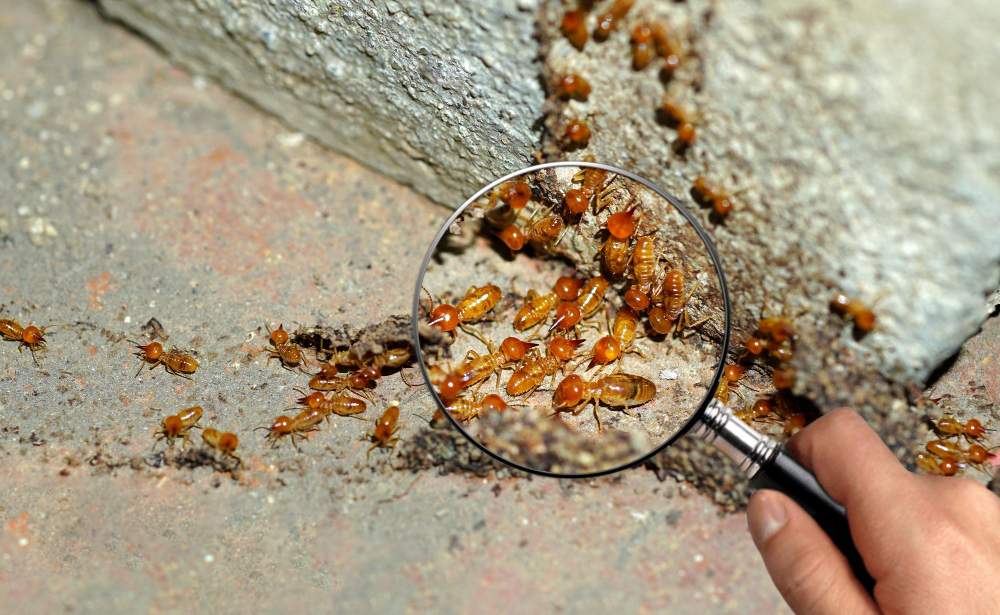
Termites are one of Australia’s most destructive pests, often causing extensive damage before homeowners realise they’re present. Feeding on timber and other cellulose materials, they can weaken structural components while remaining hidden behind walls, beneath floors and inside roof spaces. Because termite activity is usually difficult to detect, early action is essential to minimise costly repairs.
At Pal’s Pest Control, we provide professional Termite Control to help detect, treat and manage termite activity before it becomes a bigger problem. Every service starts with a detailed Termite Inspection, allowing us to identify active termites, assess potential risks and recommend the most suitable Termite Treatment for your property. Whether you’ve noticed warning signs or simply want greater peace of mind, our experienced team provides practical advice and long-term Termite Management solutions to help protect your home.
Subterranean termites are responsible for most termite damage in Australia. They travel through concealed mud tubes from underground nests to reach timber inside homes. Moisture, timber-to-soil contact and untreated timber can all increase the risk of infestation. Because colonies remain hidden, professional inspections are the most reliable way to detect activity before significant structural damage occurs.
Mud tubes, hollow-sounding timber, bubbling paint or discarded wings may indicate hidden termite activity. A professional inspection can confirm whether termites are present.
Regular inspections and ongoing termite monitoring help identify problems early, reducing the risk of expensive repairs and future infestations.
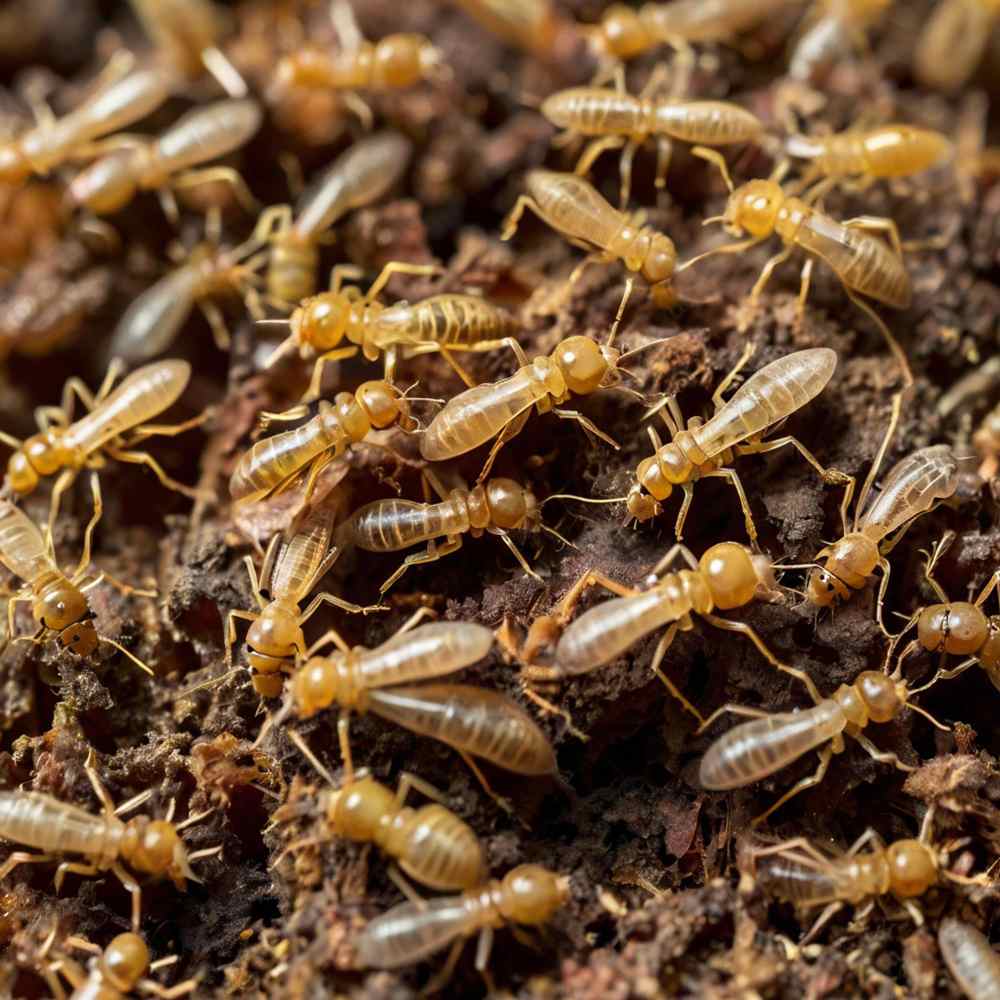
Every property is different, so we recommend a solution based on your inspection findings and the level of termite activity.
We inspect accessible areas, identify termite activity and assess conditions that may attract future infestations.
We recommend the most suitable Termite Treatment, using proven methods to target active termites and protect your property.
We provide ongoing Termite Management advice to help reduce future termite activity and support long-term property protection.
Effective termite protection starts with the right advice. We take the time to inspect your property thoroughly, explain our findings clearly, and recommend solutions based on your property’s needs. From inspection through to treatment and prevention, we’re committed to helping protect your investment with honest service and professional care.
Comprehensive inspections
We identify termite activity and conditions that increase the risk of future infestations.
Tailored treatment plans
Every treatment is selected to suit your property and the level of termite activity.
Long-term protection
Practical recommendations help reduce future termite risks and support ongoing property protection.
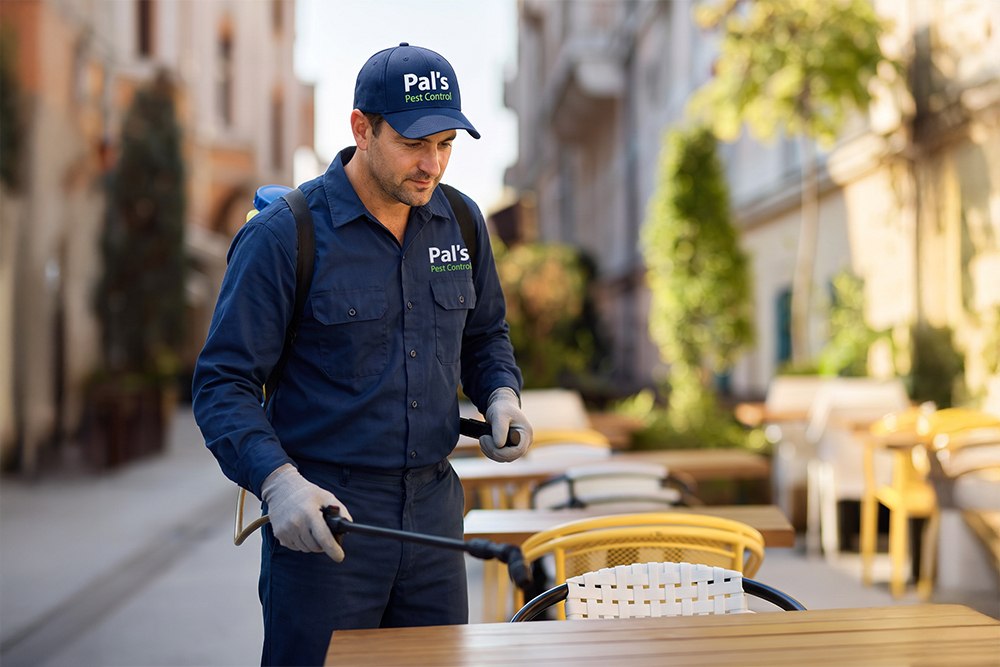
Mud tubes, damaged timber, discarded wings and hollow-sounding wood are common warning signs. Because termites often remain hidden, a professional inspection is the best way to confirm their presence.
Moisture, untreated timber, leaking pipes and timber in contact with the ground can all attract termites. Reducing these conditions helps lower the risk of infestation.
DIY products rarely eliminate an entire colony. Professional White Ant Treatment targets the source of the infestation and provides more effective long-term results.
Yes. New colonies can establish over time, which is why ongoing inspections and preventative Termite Management are recommended.
Annual Termite Inspections are recommended for most properties to help detect termite activity early and reduce the risk of costly structural damage.
We provide reliable, safe, and effective pest control services for homes and businesses throughout the Melbourne region.
Copyright © 2026 All Rights Reserved.